Every now and then, I get to write about a topic that combines geology, history, art, and a little bit of mystery. One of my favourite examples of this is a SciShow video I wrote about azurite, a striking blue mineral that humans have been using to make art for thousands of years.
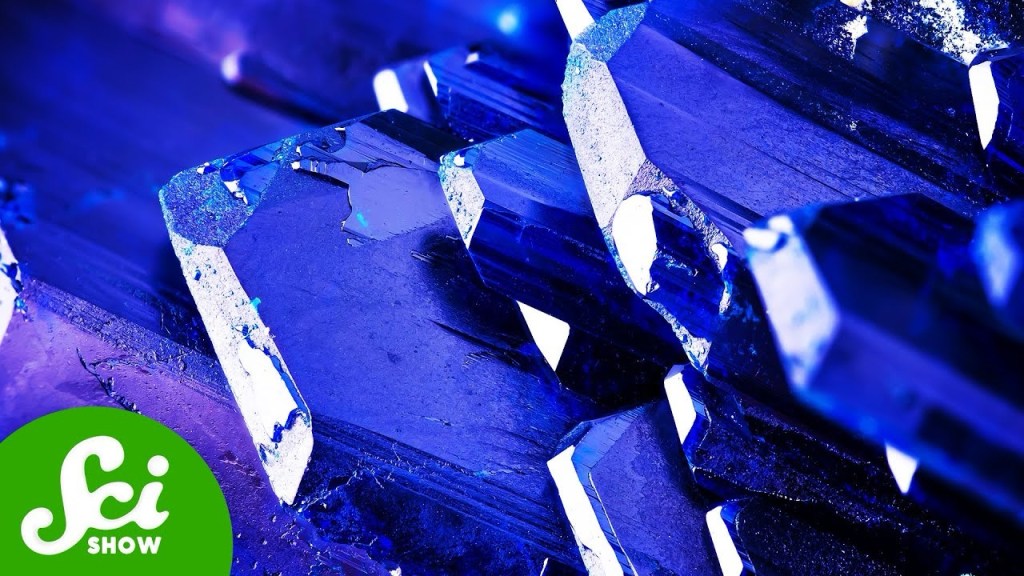
Unlike many minerals that are prized for their sparkle or the metals they contain, azurite’s value lies in its colour. When crushed, it turns into a vivid blue powder that can be turned into pigment, and artists across the world have been doing exactly that since at least the time of the ancient Egyptians.
Geologically, azurite is a copper carbonate mineral that forms when copper-rich rocks near the surface weather and oxidize. If you’ve ever seen a copper pipe develop a bluish-green patina, you’ve seen a similar process in action. Deposits of azurite were fairly common in parts of Europe like modern-day Slovakia, France, Hungary, and Sardinia, which made it a popular pigment during the medieval period. While ultramarine (made from lapis lazuli) was the prestige blue, it was incredibly expensive, so azurite was often used underneath to reduce the amount of ultramarine needed.
There was a catch though. Over time, azurite can chemically alter into malachite, shifting from blue to a rather sickly green. If you’ve ever noticed medieval paintings with unexpected green patches, this mineral transformation is likely to blame.
In China and Japan, artists took a different approach. By grinding azurite to different degrees, they created a whole palette of blues, from pale sky to deep midnight. The mineral carried symbolic meaning too, representing longevity and immortality, and during China’s Ming dynasty it became so valuable that it was collected as tax and was worth up to 2000 times the price of silver.
And then there’s Egypt. For years, archaeologists debated whether ancient Egyptians used natural azurite alongside their famous man-made “Egyptian blue.” It took until the mid-2000s for Raman spectroscopy to confirm that yes, azurite was indeed part of their artistic toolkit. One of my favourite details is a scrap of painted leather from the time of Pharaoh Hatshepsut, featuring vivid azurite blues in a rather risqué scene.
I loved writing this piece because it shows how a single mineral can weave through so many different stories, linking geology to art and culture across continents and millennia.
You can watch the full video here:
 Leila Battison
Leave a comment