Anyone who knows me knows that I love animals. So when Twenty Thousand Hertz approached me to produce a pair of podcasts all about understanding the sounds that our cats and dogs make, I absolutely leapt at the chance. After all, who hasn’t wondered what that particular bark or meow means, or whether our animals really do understand us when we talk back to them. I hoped to create a couple of shows that would give our audience the tools to understand their pets better, and maybe deliver a few surprising facts along the way.
What I didn’t expect, was to be taken on a journey of discovery about the human condition and our evolutionary relationship with the animals we share our lives with. I met some incredible characters, both animal and human alike, and learnt how cats and dogs can inform how we teach our children, how we treat the elderly, and basically how we interact with everyone else on the planet. These shows ended up being so much more than just ‘cat/dog translation guides’. They are a much-needed tonic to the caustic and divisive rhetoric that permeates the media these days. And I’m not blowing my trumpet by saying that: all of these perspectives came directly from the people that I interviewed for the episodes. It’s a much-needed reminder that there is beauty, kindness, and compassion out there. We might just need to look into our animals’ eyes to find it!
Obviously, you should go and listen to both shows where you get your podcasts, but stick with me while I ramble a bit more about why these episodes were such joys to make!
Dogs
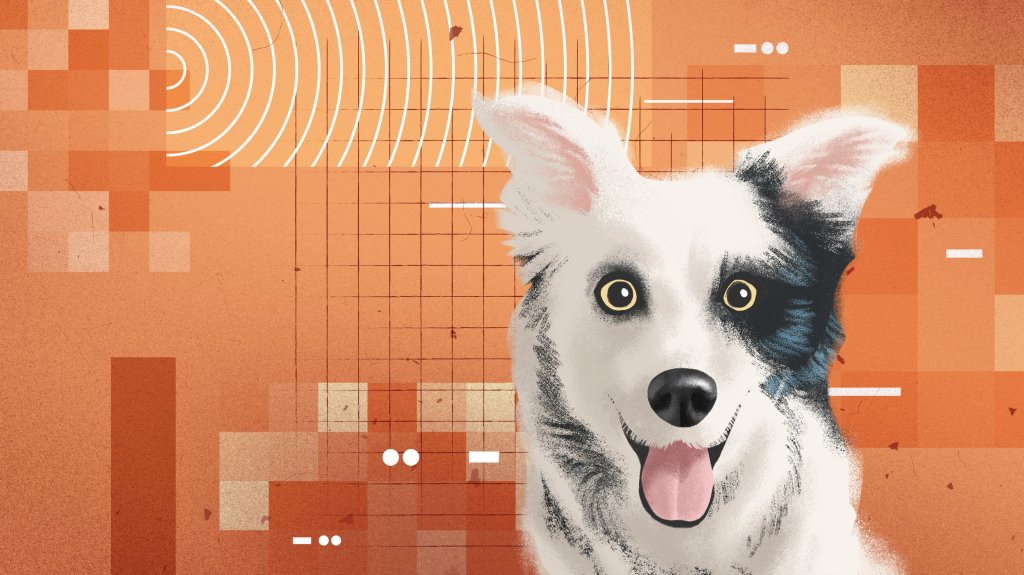
A few years ago, one dog was making headlines for being the ‘Smartest Dog in the World’. Her name was Chaser, and she had shown that she was able to remember the name of 1000 different toys, and knew and understood a whole load of action words too. For this episode, I got to speak to Chaser’s human sister and sort-of manager, Pilley Bianchi. She told me some great stories about how much Chaser really came to understand and communicate, including giving a critical review of all of the dogs in her mom’s walking group. But the thing that really hit home for me was that it wasn’t Chaser thte border Collie who was the real genius, but rather her owner, trainer, and lifelong companion John Pilley. John approached Chaser’s training in such a way that the dog could never fail. All learning was done through play, building on the social tendencies of all dogs. It is a technique I have in mind constantly as I teach and ‘train’ my own toddler, and I’ve seen it work in real time. It’s a lesson we can all take, to reach an empathic and collaborativce understanding with anyone we want to communicate with, be they human or dog.
As well as Pilley, John and Chaser’s unique insight, I spoke to dog, cat, horse expert, and all round fascinating guy, Daniel Mills. He has built up his encyclopedic knowledge of animal behaviour as a professor with a veterinary clinic in the UK, and I was treated to endless fascinating stories on how our behaviour as adults affects the understanding and behaviour of our dogs. He explained that it’s OUR reaction to fireworks that drives our dogs to be nervous, whether we intend it or not. That barking isn’t actually a thing thatr dogs’ ancestors did very much but that it’s evolved as a way of expressing frustration in what can be a very frustrating human world. And most unexpectely, he explained in detail as to why children tend to get bitten on the face. Yeah, that one was a bit of a curveball for me too!
Listen to the full episode here
Cats
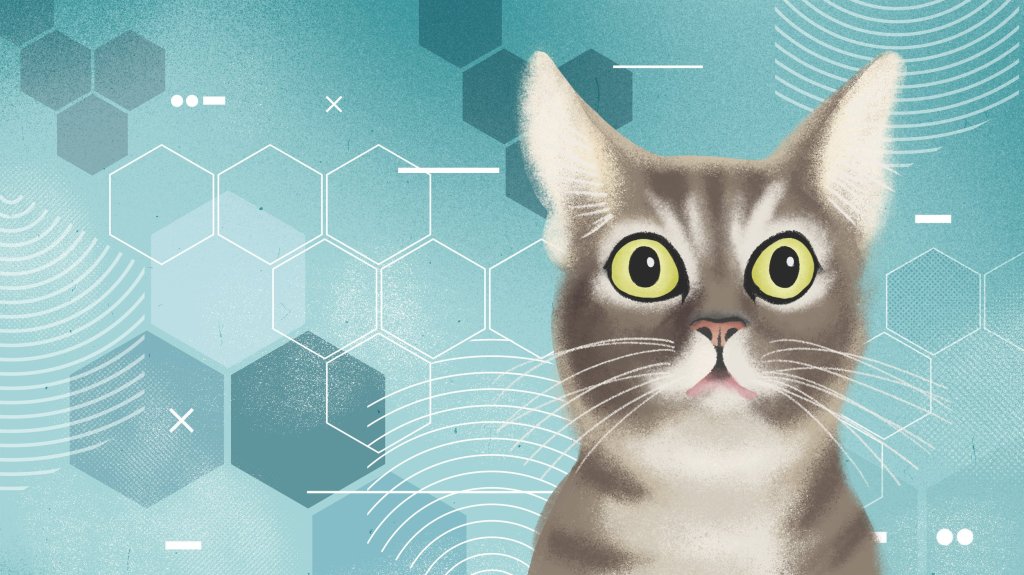
I’m not going to lie – I’m more of a cat person than a dog person. I grew up with cats. Only now that I have a toddler of my own do I realise how extraordinarily patient those cats must have been with me! I always thought I had a good intrinsic grasp of what a cat was telling me with its sounds and body language, but speaking to Dr Sarah Brown, I realised that my casual observation had barely scratched the surface! Sarah has spent decades studying feral cat colonies and has recently published a book called ‘The Hidden Language of Cats‘. She explained to me that wild and feral cats don’t actually meow to eachotherm much at all. Rather, that’s a trait that domestic cats have picked up specifically to communicate to humans, and they do so in a frequency similar to that of a baby’s cry, to make us pay attention. Purrs are the sweetest sound, but not every purr means your cat is happy – in some cases tehy can purr to self soother or even heal when they’re sick or fatally wounded. And most interestingly, Sarah told me that to get the best out of our interactions with cats, we should let them initiate the contact. Again, that’s really something I wish I could teach my toddler a bit quicker! Cats are evolutionarily solitary animals (unlike dogs that descended from social wolves), and so they still ahve their instinctive boundaries that they would really rather prefer that we respected!
Dr Brown gave me an academic expert’s insight, but Kendra Baker opened my eyes to cat-human relationships in a completely different, and refreshing way. Kendra is a wildlife vet who was chosen by the cat distribution system 16 years ago, starting what was to be an incredibly special relationship between her and her pet cat Billi. Over the pandemic, she started to teach Billi to communicate using human speech buttons, starting her off with buttons that could help the cat ask for ‘food’, ‘play’ and ‘pets’. Eventually Billi’s button board grew to over 75 different buttons, and she could use them to compose complex sentences and phrases, as well as express bastract emotions like ‘love’, and – what she became most famous for – ‘mad’! I find it absolutely fascinating how the buttons gave Kendra a unique insight into how Billi thought about things and what she valued. It was such a rewarding conversation for me – both as a producer and a cat lover – but I imagine it was tough for Kendra. Billi had been suffering with kidney problems all her life, and we ended up speaking just two weeks after her MADjesty had passed. Despite her obvious grief, Kendra had some really important things to say about palliative care and dignity, which I think we can all learn from – whether thinking about our elderly pets or our own human family.
Listen to the full epsiode here.
This summer was a busy old time, producing both of these fascinating and info-rich podcasts at the same time. But it was all for a reason!
Twenty Thousand Hertz have released both shows at the same time, as a kind of contest to see whether there are more cat people, or dog people in the mix! At the time of writing, dogs are slightly in the lead, but as a cat lover first and foremost, I’d love to see them gain some ground! So go and give them both a listen, but if you only have time for one…make it cats!
 Leila Battison
Leave a comment